NEW
Key Factors in Selecting Meat Display Case Sizes
Choosing the right size for your butcher shop's meat display case involves more than just floor space measurements. The ideal unit should accommodate daily inventory turnover while maintaining optimal temperature zones. Industry data shows that 68% of food retailers upgrade refrigeration equipment every 5-7 years, with size miscalculations being the top reason for premature replacements.
Capacity Planning Essentials
Calculate your required display capacity based on these critical metrics:
- Peak daily sales volume (typically 2-3x average daily sales)
- Product variety requiring separate temperature zones
- Minimum 20% buffer space for air circulation
- Accessibility requirements for staff and customers
Our Open half-height cabinet exemplifies smart sizing with its large curved display that creates striking visual impact while maintaining precise temperature control through cold air diversion technology.
Energy Efficiency vs. Display Capacity
Modern butcher shops face the dual challenge of expanding display areas while controlling energy costs. The average commercial refrigeration unit consumes 15-20% of a store's total electricity. Advanced solutions like internal air cooling and frost-free technology can reduce this by up to 30% while maintaining product freshness.
Performance Metrics to Compare
- Daily energy consumption per cubic foot of display space
- Temperature recovery time after door openings (should be under 5 minutes)
- Annual maintenance cost per linear foot
- LED lighting coverage per shelf
Hygiene and Safety Considerations
Food safety regulations require meat display cases to maintain consistent temperatures within ±1°C of set points. Our engineering team recommends these critical specifications:
The circulating cold air system in our display cases ensures long-lasting freshness while meeting strict HACCP requirements. Intelligent digital temperature control allows for one-touch operation with audit trails for compliance reporting.
Customer Experience Optimization
Display case design directly impacts purchase decisions. Studies show proper lighting and product arrangement can increase meat department sales by 18-22%. Consider these visual merchandising factors:
Visual Appeal Enhancements
- Color rendering index (CRI) above 90 for true color representation
- 45-60 degree viewing angles for optimal product visibility
- Non-glare glass treatments
- Adjustable shelving configurations
Implementation and Maintenance
Proper installation affects both performance and longevity. Follow this 5-phase implementation timeline:
- Site assessment (2-3 days)
- Electrical/plumbing preparation (1 week)
- Equipment delivery and positioning (1-2 days)
- Commissioning and temperature calibration (24 hours)
- Staff training (4-6 hours)
Maintenance Checklist
To ensure peak performance, conduct these maintenance tasks at recommended intervals:
- Daily: Condenser coil inspection
- Weekly: Door gasket integrity check
- Monthly: Lighting system evaluation
- Quarterly: Full system diagnostics
Frequently Asked Questions
How often should I replace my meat display case?
Industry benchmarks suggest replacing commercial refrigeration equipment every 7-10 years. However, units with advanced features like frost-free technology and intelligent temperature control may extend this to 12-15 years with proper maintenance.
What's the ideal temperature for different meat products?
Optimal display temperatures vary by product type: fresh red meat (-1°C to +1°C), poultry (0°C to +2°C), processed meats (0°C to +3°C), and frozen products (-18°C or below). Multi-zone display cases allow simultaneous presentation at different temperatures.
How much clearance space is needed around the unit?
Maintain minimum 4-inch clearance on all sides for proper airflow, with 6-8 inches recommended for high-ambient temperature environments. This ensures efficient heat dissipation from condenser coils.
Conclusion and Next Steps
Selecting the right meat display case requires balancing capacity, energy efficiency, food safety compliance, and visual merchandising needs. Xinbingxue Cold Chain's solutions combine industry-leading temperature control with smart space utilization to maximize your investment.
Contact our refrigeration specialists today for a customized space planning assessment and energy efficiency analysis tailored to your butcher shop's specific requirements.
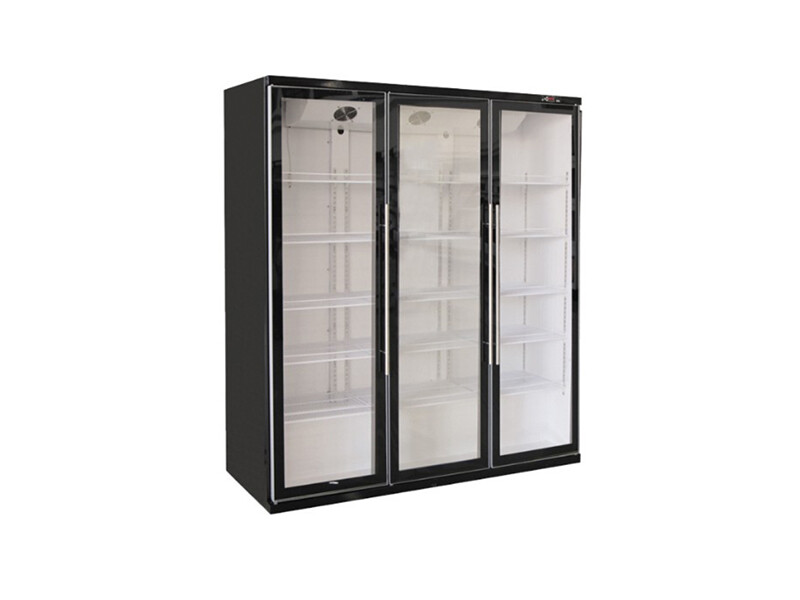
 Glass door wine and beverage display cabinetCold air diversion technology achieves efficient cooling, evenly distributing the cooling effect and eliminating dead spots. The electrically heated, anti-condensation glass door design saves energy and reduces consumption. The glass door automatically closes for added convenience and speed. Operating costs are low, achieving 50% energy savings over open cabinets under the same conditions.
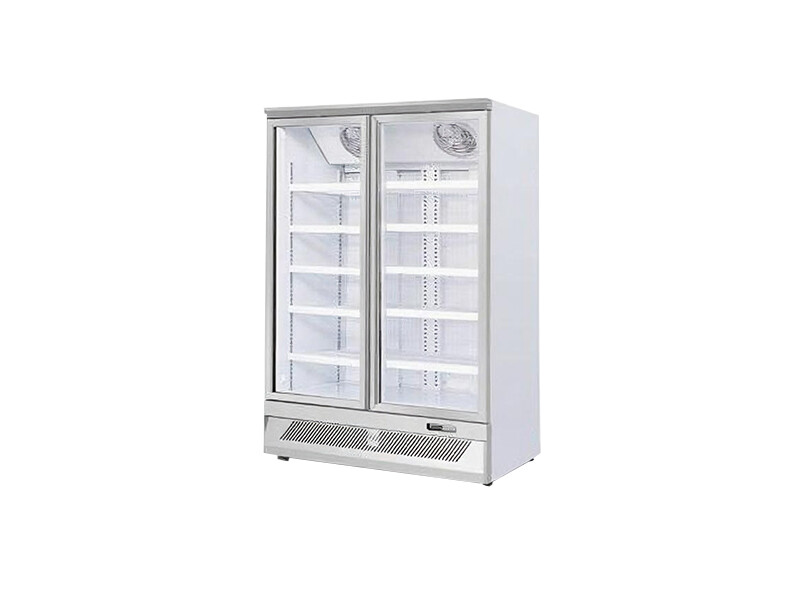
 Glass door display cabinetThe product's large volume and compact footprint make full use of store space. The stepped design and cold air diversion technology effectively reduce energy consumption and evenly distribute the temperature inside the cabinet. The glass door features an automatic closing design for added convenience.
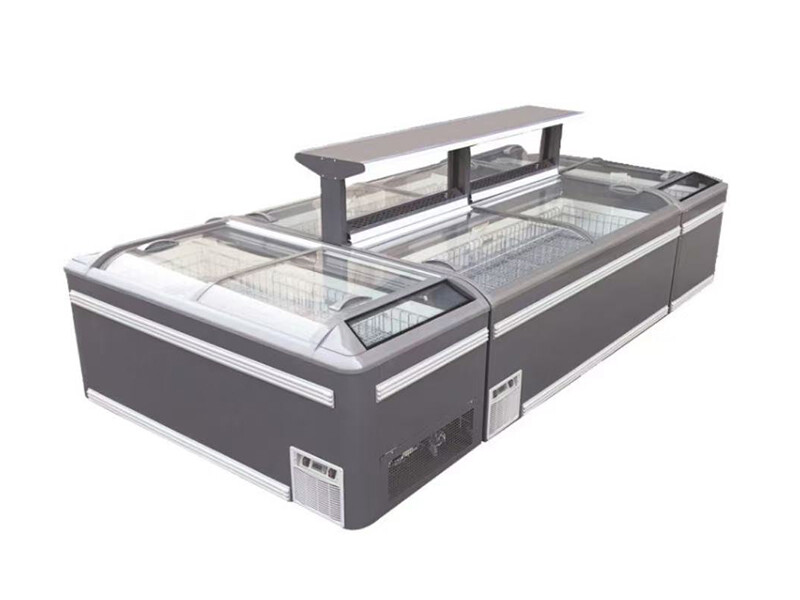
 Insert left and right sliding glass door combination island cabinetThe integral foam insulation layer provides rapid cooling and excellent refrigeration and heat preservation. A constant temperature defrost design ensures food quality. The modular design allows for modular assembly and a flexible combination for enhanced display effects. The plug-and-play design makes it easy to use.