Choosing between walk-in coolers and reach-in refrigerators is crucial for optimizing your cold storage equipment setup. As a business evaluator, understanding their distinct features in capacity, accessibility, and energy efficiency will help you select the ideal curved glass cabinet solution for your retail space. This guide compares both options to streamline your commercial refrigeration decisions.
Definition and Overview
Walk-in coolers and reach-in refrigerators serve distinct purposes in the cold chain equipment landscape. Walk-in coolers are large, enclosed spaces designed for bulk storage, often used in supermarkets or warehouses. Reach-in refrigerators, on the other hand, are smaller units with front-access doors, ideal for frequent retrieval of items. Both types of cold storage equipment play vital roles in maintaining product freshness, but their applications vary significantly based on business needs. For instance, a Glass door wine and beverage display cabinet with its electrically heated, anti-condensation glass door design exemplifies the advanced technology available in modern reach-in units.
Market Overview and Industry Trends
The global commercial refrigeration market is projected to grow at a CAGR of 5.8% from 2023 to 2030, driven by increasing demand for energy-efficient cold storage solutions. Retailers are increasingly adopting hybrid systems that combine walk-in coolers for bulk storage with strategically placed reach-in units like curved glass cabinets for customer-facing displays. This trend reflects the industry's shift toward optimizing both storage capacity and merchandising potential. Companies like Xinbingxue Cold Chain are at the forefront of this evolution, developing solutions that offer 50% energy savings over traditional open cabinets while maintaining superior temperature control accuracy.
Technical Performance Comparison
When evaluating cold storage equipment, several technical parameters demand attention:
- Capacity: Walk-in coolers typically offer 500-5,000 cubic feet of storage, while reach-in units range from 10-100 cubic feet
- Energy Efficiency: Modern reach-in refrigerators with cold air diversion technology can achieve significant energy savings
- Temperature Consistency: Both systems must maintain precise temperature ranges, with premium models offering ±1°F accuracy
- Accessibility: Reach-in units provide faster access, crucial for high-traffic retail environments
The Glass door wine and beverage display cabinet exemplifies these technical advantages, featuring evenly distributed cooling that eliminates dead spots while operating at low energy consumption.
Procurement Guide for Business Evaluators
Selecting between walk-in and reach-in refrigeration requires careful consideration of multiple factors:
For retail environments where product presentation matters, curved glass cabinet solutions offer the dual benefits of efficient cooling and attractive display capabilities.
Why Choose Xinbingxue Cold Chain
With nearly 100,000 square meters of manufacturing space and strong R&D capabilities, Xinbingxue Cold Chain delivers industry-leading cold storage equipment. Our products combine innovative features like automatic door closing mechanisms with superior energy efficiency, helping retailers reduce operating costs while maintaining optimal product freshness. Whether you need large-capacity walk-in coolers or customer-facing reach-in refrigerators, our comprehensive solutions are designed to meet the most demanding retail cold chain requirements.
FAQ: Common Questions from Business Evaluators
Q: Can we combine walk-in and reach-in refrigeration in one facility?
A: Absolutely. Many successful retailers use walk-in coolers for bulk storage while placing reach-in units like curved glass cabinets in customer areas for convenient access and attractive displays.
Q: How do we ensure energy efficiency in our cold storage setup?
A: Look for ENERGY STAR certified equipment, proper insulation, and advanced features like the cold air diversion technology found in our Glass door wine and beverage display cabinet, which achieves 50% energy savings compared to conventional models.
Q: What maintenance is required for commercial refrigeration units?
A: Regular cleaning of condenser coils, door seal inspections, and temperature monitoring are essential for both walk-in and reach-in units to maintain peak performance.
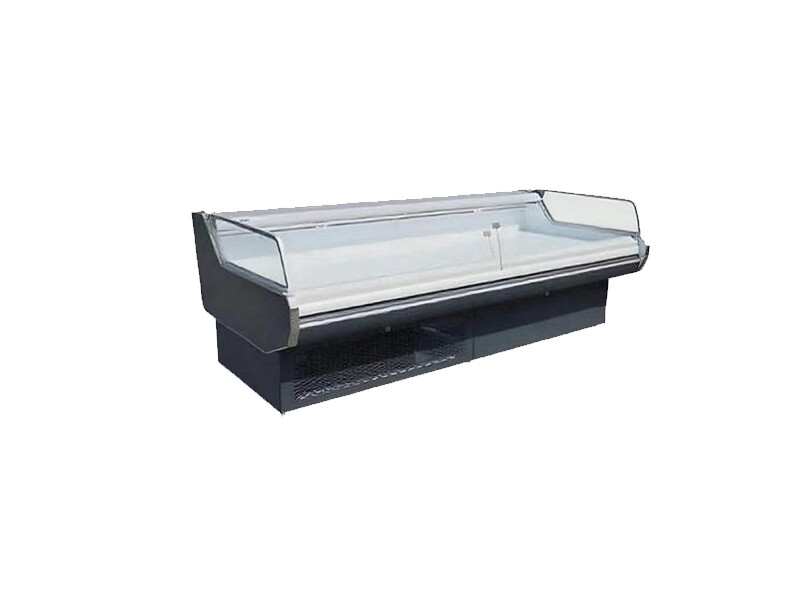
 Curved fresh meat display cabinetThe large opening, with three sides of insulating glass, allows customers to clearly see the food on display. Soft overhead lighting optimizes food display. The oversized opening facilitates easy loading and restocking, increases storage space, and enhances daily convenience. The night-deceleration curtains protect against insects and mosquitoes, saving energy and electricity.
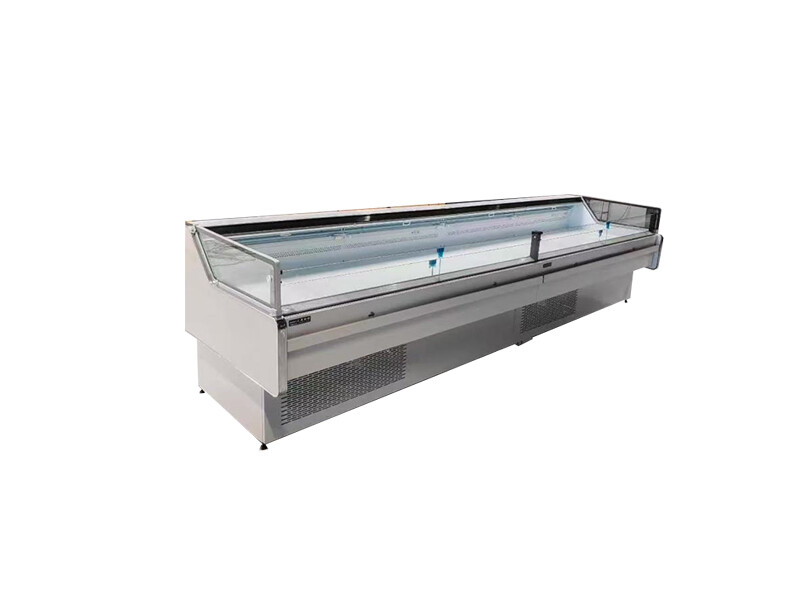
 Right angle fresh meat display cabinetThe large opening, with three sides of insulating glass, allows customers to clearly see the food on display. Soft overhead lighting optimizes food display. The oversized opening facilitates easy loading and restocking, increases storage space, and enhances daily convenience. The night-deceleration curtains protect against insects and mosquitoes, saving energy and electricity.
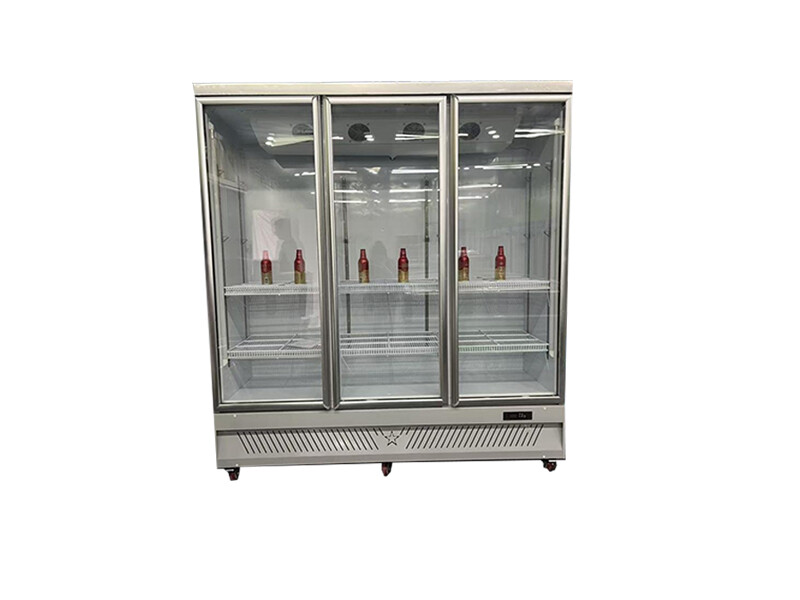
 Commercial vertical glass door refrigerated display cabinetCold air diversion technology achieves efficient cooling, evenly distributing the cooling effect and eliminating dead spots. The electrically heated, anti-condensation glass door design saves energy and reduces consumption. The glass door automatically closes for added convenience and speed. Operating costs are low, achieving 50% energy savings over open cabinets under the same conditions.