NEW
The Critical Importance of Temperature Control in Summer
Summer heat waves can elevate display case temperatures by 5-10°F above set points, accelerating food spoilage rates by 30-50%. For procurement specialists and quality managers, this creates a dual challenge: maintaining USDA/FDA compliance while preventing energy waste from overworked refrigeration systems.
Industry studies show that improper temperature control accounts for:
- 27% of retail food safety violations
- 15-20% increase in compressor failures during peak summer months
- Up to $18,000 annual losses per store from spoiled inventory
5 Proven Strategies for Summer-Ready Displays
1. Optimize Airflow Design
Traditional display cases often develop "dead zones" where airflow stagnates, creating temperature variations up to 7°F. Modern solutions like the Multi-layer display open vertical wind cabinet utilize 360° air circulation without blind spots, maintaining temperature uniformity within ±1°F even during 100°F ambient conditions.
2. Smart Defrost Scheduling
Standard defrost cycles waste energy when timed improperly. Consider these adjustments:
This adjustment can reduce defrost energy consumption by 18-22% while preventing ice buildup that compromises cooling efficiency.
Equipment Selection Guide
When evaluating display cases for summer resilience, prioritize these technical specifications:
Advanced models with multi-layered shelving systems allow for precise airflow adjustment, particularly valuable for delicate items like leafy greens that require specific humidity levels between 85-95%.
Operational Best Practices
Beyond equipment selection, implement these store-level protocols:
- Conduct temperature mapping twice daily during heat waves
- Implement a 2-hour rotation schedule for high-risk perishables
- Train staff on proper loading techniques (never exceed 70% capacity)
- Install UV-filtering window films to reduce solar heat gain
Frequently Asked Questions
How often should we calibrate temperature sensors during summer?
Increase calibration frequency from quarterly to monthly when ambient temperatures consistently exceed 90°F. Digital sensors typically maintain accuracy within ±0.5°F for 3-4 months, but extreme heat can accelerate drift.
What's the ideal nighttime temperature setting?
While 2-3°F higher than daytime settings is common, we recommend maintaining operational temperatures 24/7 during heat waves. The energy cost of temperature recovery often exceeds the savings from reduced nighttime operation.
Conclusion & Next Steps
Maintaining optimal display temperatures requires both advanced equipment and operational discipline. For procurement teams evaluating solutions, prioritize systems with proven performance in high-temperature environments and flexible configurations to accommodate diverse product mixes.
Xinbingxue Cold Chain's engineering team offers complimentary store assessments to identify your specific summer readiness gaps. Contact us today to schedule an evaluation of your current display equipment and receive customized recommendations.
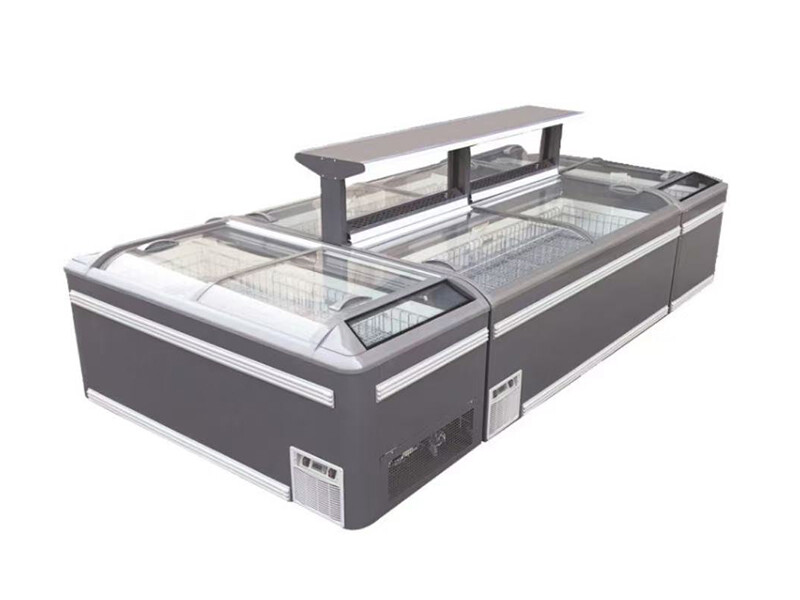
 Insert up and down sliding glass door combination island cabinetThe integral foam insulation layer provides rapid cooling and excellent refrigeration and heat preservation. A constant temperature defrost design ensures food quality. The modular design allows for modular assembly and a flexible combination for enhanced display effects. The plug-and-play design makes it easy to use.
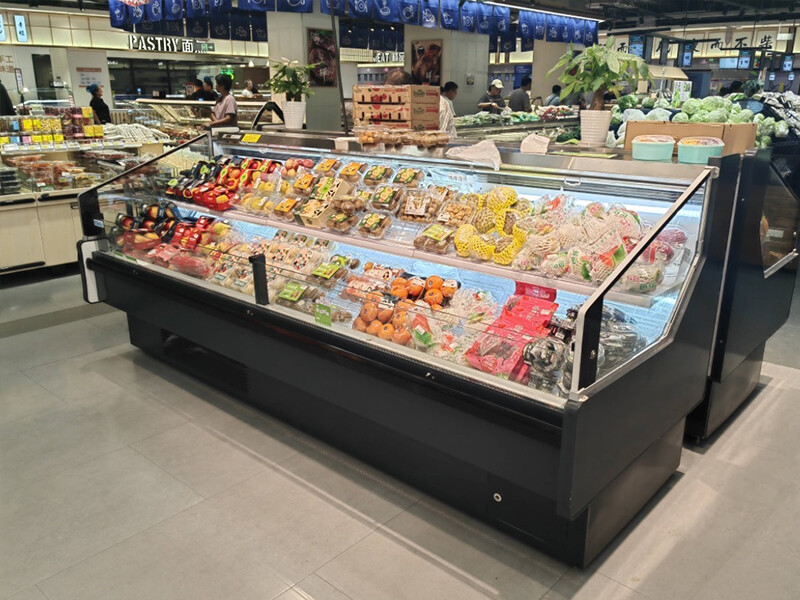
 Supermarket fruit refrigeratorThe large opening and panoramic glass display allow customers to see what they want at a glance, creating a great display experience. Soft lighting enhances the freshness of fruit and maximizes the food display experience. The large storage space facilitates the display of merchandise.
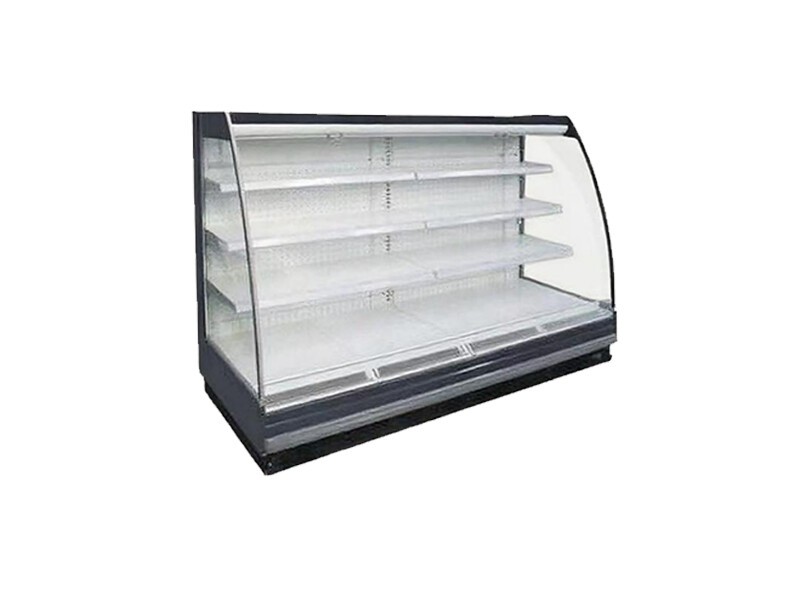
 Open half-height cabinetThe large curved display creates a striking visual effect. A cold air diversion structure ensures efficient and uniform cooling, eliminating dead spots. Internal air cooling and frost-free technology maintain long-lasting product freshness. LED lighting enhances display quality. Intelligent digital temperature control allows for quick and easy one-touch operation. Circulating cold air ensures long-lasting freshness.